|
The Woodland
Education Centre |
|
|
The Woodland
Education Centre |
|
Ecological Surveys 1996 - 1998
Other Heath Species on the Project Site.
|
Many other plants
characteristic of heathland communities were present on the project site. (These species
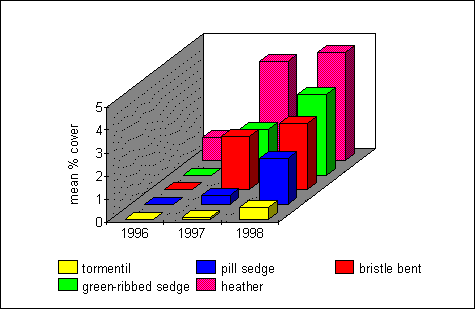
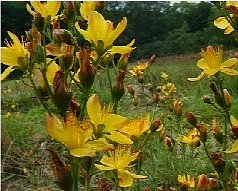
are marked with an asterisk * in the species list.) Bristle Bent (Agrostis curtisii) was gradually spreading, as were sedges such as Green-ribbed Sedge (Carex binervis) and Pill Sedge (Carex pilulifera), which are characteristic of heathlands. Tormentil (Potentilla erecta) was also very slowly increasing in abundance. |
||
| Other
heath species occurring on the site included Heath Woodrush (Luzula multiflora) and
Heath Speedwell (Veronica officinalis). Overall, the indications were that the
vegetation on the project site was gradually shifting towards becoming a dry heath
community. Heath species require acid soils, low in nutrients. The soils are acidic on the project site, with a pH ranging from 4.0 - 5.0. Many of the plants found over substantial areas of the project site were species which have a strong preference for acid soils. These included all the heath species mentioned above, plus species such as Foxglove (Digitalis purpurea), Rowan (Sorbus aucuparia), Eared Willow (Salix aurita) and the moss, Polytrichum formosum.
The soils may be more fertile than is normal for heathland, as indicated by the presence of species such as the moss, Brachythecium rutabulum. It is likely that over time, continued leaching of the soils by rainfall, and the cutting and removal of vegetation, will further lower the pH and reduce the nutrient status of the soil to more optimum conditions for heathland plants. |
|||
Continue to mosses on the Heathland Restoration site

Ecological Surveys 96 - 98 |