 |
The grass which is grown will not only be used for grazing. The farmer will store surplus grass for use in the winter. The grass is usually stored as silage. Silage is grass which has been allowed to ferment in the absence of oxygen. The fermenting process effectively pickles the grass, preventing rotting and preserving its feed value. Other crops such as maize can also be made into silage. | |
|
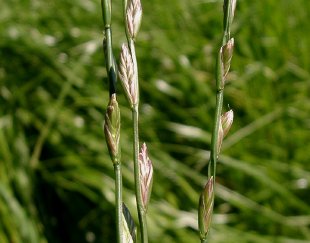
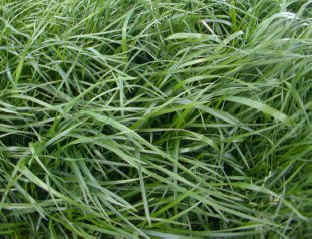
Grass which is to be used for silaging must be harvested at the optimum growth stage for making the best quality and quantity of silage. For Perennial Ryegrass (left), this is just before the flower or ear emerges from the leaf. After this time, although the dry matter content, and therefore the yield increases, the quality will deteriorate. Thus old grass will make poor quality silage. On the other hand, very young grass produces a smaller yield and has a low dry matter. This means that it is more difficult to wilt satisfactorily. | |
|
Without wilting the grass, the farmer will transport a high percentage of water in every load. The silage will then produce more effluent, which has to be safely contained. Silage effluent is particularly damaging to freshwater life. Where effluent gets into water courses, fish and aquatic invertebrates are often killed. This is owing to the low oxygen content of the silage polluted water.
|