 |
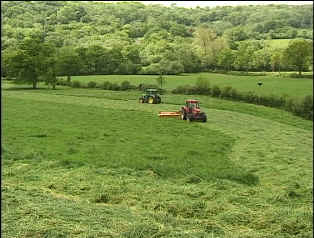
For the grassland farmer, grass is a crop
in the same way as wheat, barley or potatoes are for the arable farmer. The yield of grass
will depend on the variety of grass or grasses, which have been sown. The way the
grassland is managed will also have a very significant effect on the yield and utilisation
of the grass crop. Many other factors will influence grass production. These include soil
type, the climate, the fertiliser regime, as well as drainage, field location and
topography. |
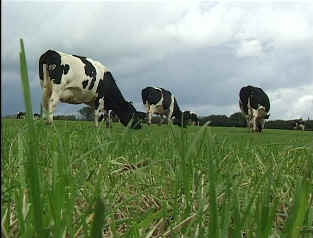 |
A large amount of expense and technical
expertise goes into growing high yielding grass. Special varieties are sown, fertilisers
and weedkillers are applied. In addition to this, a number of management decisions have to
be made, depending on how the crop is to be used during the growing season. The growing
season occurs from about April, through to the end of September. However, this will depend
very much on the season, as well as on the location of the farm. |
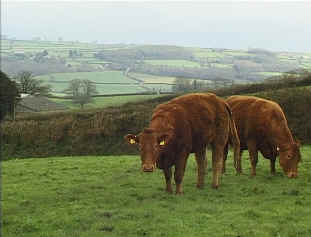 |
Farms in the lowland parts of the
south-west of Britain are particularly suitable for grass production. They have a longer
growing season than those further to the north. This is because the climate is milder. The
eastern part of Britain is dryer and is more widely used for arable crops, although grass
is still grown on some farms. During the growing season, the grass will be conserved for
winter feeding or grazed, or a combination of these. Each method requires a different set
of management decisions and field operations. |
|
Continue |